How to Spot a Northern Taurid Fireball Tonight
How to Spot a Northern Taurid Fireball Tonight
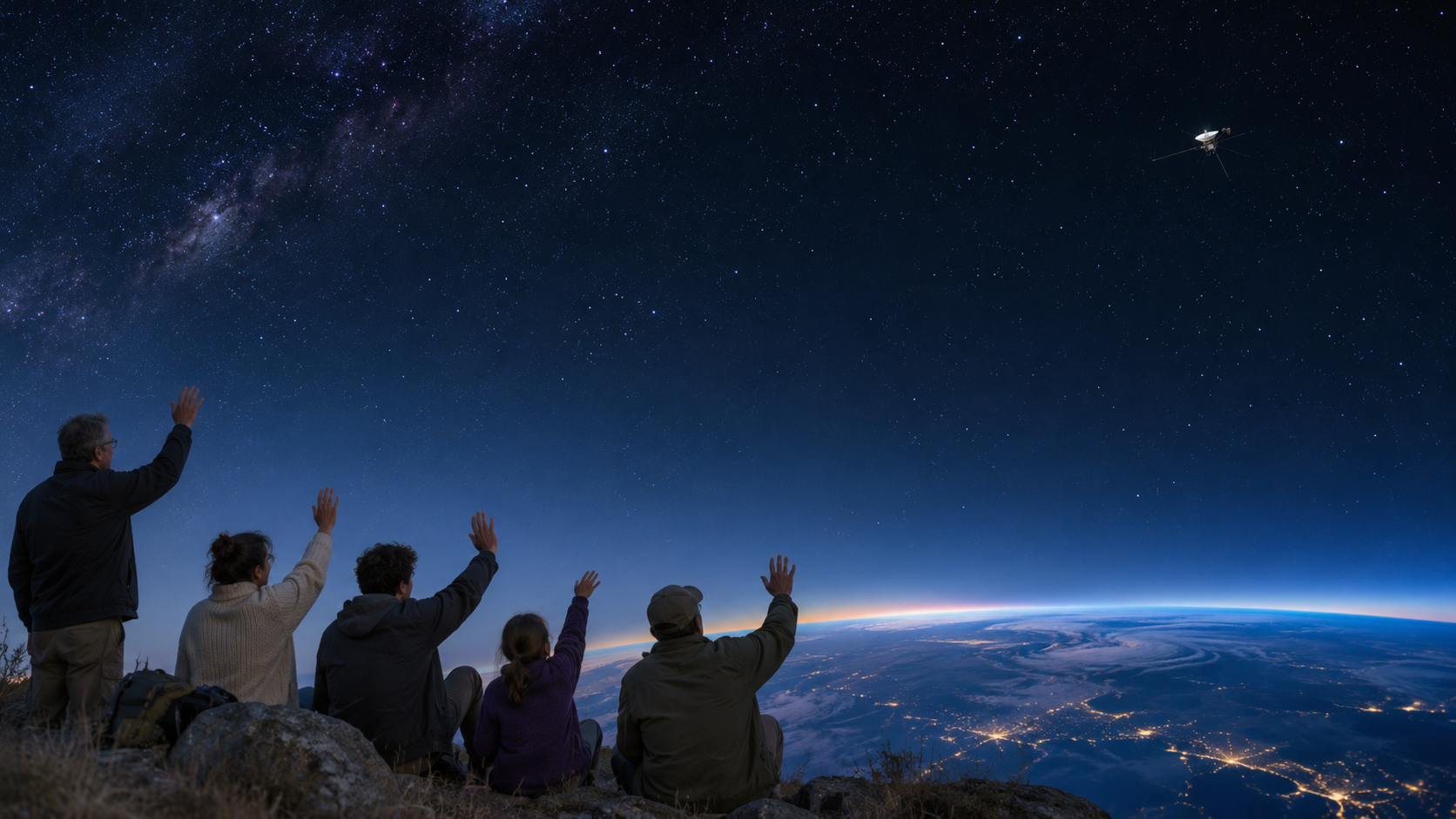
The Northern Taurid meteor shower offers skywatchers a chance to see one of nature’s most dramatic nighttime displays: a bright fireball crossing the sky.
The shower produces fewer meteors than the Perseids or Geminids, but its meteors can be slow, bright and memorable. A single fireball may outshine surrounding stars, flare as it travels and leave a glowing trail behind.
Reports about tonight’s peak highlight the possibility of a bright Northern Taurid fireball, but no forecast can guarantee one at a particular location. Cloud cover, moonlight, light pollution, humidity and the length of your observing session all affect what you see. Source 1
For the best chance, choose a safe location with a broad view of the sky, allow your eyes to adjust to darkness and watch for at least 30 minutes. An ideal session lasts one to two hours, especially if the sky remains clear.
What Is the Northern Taurid Meteor Shower?
A meteor shower occurs when Earth passes through a stream of dust and debris left along a comet’s orbit. As particles enter the atmosphere, friction and compression heat the surrounding air, creating the streak of light known as a meteor.
The Northern Taurids are associated with Comet 2P/Encke. The shower remains active from late October through November rather than appearing during one brief period. Activity usually builds toward a November peak, and meteors may remain visible on nights before and after the predicted maximum. The peak is a useful guide, not a strict start or end time. Source 7
Meteor, Meteoroid and Fireball: What Is the Difference?
- A meteoroid is a natural piece of rock or metal traveling through space.
- A meteor is the flash or streak produced when a meteoroid enters Earth’s atmosphere.
- A fireball is an exceptionally bright meteor.
A fireball can briefly outshine the brightest stars. Some are bright enough to cast momentary shadows or produce a glowing trail that remains after the main streak disappears.
The incoming particle’s size, composition and speed affect its brightness. Larger particles generally release more energy, producing a brighter and longer-lasting meteor.
Why the Northern Taurids Produce Bright Fireballs
The Northern Taurids produce relatively few meteors and do not usually match the Perseids or Geminids for frequency. However, they are known for occasional bright, slow-moving meteors.
That combination makes the shower worth watching. You may wait through several quiet minutes, but one slow fireball can cross a large section of the sky and become the highlight of the night. News coverage of tonight’s event has specifically emphasized the possibility of bright Northern Taurid fireballs. Source 3
A fireball forecast is not a promise. Astronomy forecasts describe the shower’s general behavior, while the event visible from your location depends on local conditions and chance.
When to Watch the Northern Taurids Tonight
Watch After Midnight and Before Dawn
The most useful general observing window is after midnight and before dawn. During these hours, your location faces more directly into Earth’s direction of travel around the Sun, which can increase the number of meteors entering the visible sky.
The Taurus radiant may rise earlier in the evening, so meteors are possible before midnight. Later hours often provide better overall conditions, but the exact viewing window varies with latitude, longitude, date and radiant altitude.
Use this schedule:
- Check the sky after Taurus has risen well above the horizon.
- Begin with at least 30 minutes of observation.
- Continue for one to two hours if the sky remains clear.
- Stay into the pre-dawn hours when practical and safe.
A reported peak creates a viewing opportunity, but the best local time still depends on your location. Source 5
Check Local Conditions First
Before leaving home, check:
- Cloud cover.
- Visibility and humidity.
- Moonrise and moonset.
- Wind and temperature.
- Local light pollution.
- Park hours and access rules.
A clear forecast does not always mean a transparent sky. Humidity, haze and smoke can scatter artificial light and reduce contrast. An astronomy app or observatory calendar can help identify when Taurus rises and where the Moon will be.
How Moonlight Affects the View
Bright moonlight makes faint meteors harder to see by washing out the background sky. A fireball remains easier to notice than a dim meteor, but a bright Moon still reduces contrast.
Position yourself so the Moon stays behind you or outside your main field of view. Do not look toward the Moon through binoculars or a telescope. For ordinary meteor watching, your unaided eyes are the safest and most useful equipment.
Where to Look for a Northern Taurid Fireball
Find Taurus and the Radiant
Northern Taurid meteors appear to radiate from the direction of Taurus. This radiant is a perspective effect: parallel meteor paths seem to begin in one area of the sky, much as railway tracks appear to converge in the distance.
To locate the region:
- Find Orion, one of the easiest constellations to recognize.
- Look toward the surrounding region of Taurus.
- Use the Pleiades star cluster as a nearby landmark.
- Open a star chart or astronomy app if clouds, buildings or light pollution make the stars difficult to identify.
Do not stare directly at the radiant. Meteors close to it appear shorter because their paths are seen nearly end-on. Looking roughly 30 to 60 degrees away can reveal longer streaks.
Scan a Wide Area
Meteors can cross much of the sky, so focus on a broad region rather than one constellation. Recline in a chair and move your gaze gently across the darkest, most open area.
Face away from:
- Streetlights.
- Bright buildings.
- Vehicle headlights.
- Trees and tall structures.
- The Moon.
Peripheral vision is useful because the outer parts of the eye are more sensitive to faint light. Avoid rapid head movements and give your eyes time to detect subtle streaks.
Choose a Dark-Sky Location
The best locations are generally:
- A rural dark-sky site.
- An open park, beach or field away from direct lighting.
- A suburban backyard.
- A permitted urban rooftop, balcony or open plaza.
Light pollution does not prevent bright fireballs, but it erases many faint meteors. A dark location also makes it easier to see a fireball’s trail and any fragmentation.
Use only legal, accessible sites. Do not stop on a roadside or enter private property. Carry a flashlight with a red-light mode, tell someone where you are going and avoid isolated locations unless you have a safe plan.
How to Improve Your Chance of Seeing a Fireball
Let Your Eyes Adjust
Dark adaptation takes approximately 20 to 30 minutes. During that time, avoid bright white lights and reduce your phone’s screen brightness.
Use night mode or a red filter on your phone. Repeatedly checking a bright screen can temporarily reduce your ability to see faint meteors. Prepare your star chart, camera settings and messages before the main observation period begins.
Watch Long Enough
Meteor activity is uneven. Several quiet minutes do not mean the shower has ended. A long gap may be followed by multiple meteors in a short period.
Plan for at least 30 minutes. One to two hours provides a better chance of catching a bright event and gives your eyes time to adjust.
Bring:
- A reclining chair or ground mat.
- Warm layers.
- A blanket or sleeping bag.
- Water.
- A charged phone.
- Insect protection when appropriate.
Comfort matters because cold, fatigue and a stiff neck can end a session before the sky produces anything interesting.
Use the Right Equipment
You do not need a telescope or binoculars. Their narrow fields of view make them poorly suited to meteor watching. Your eyes can monitor a much larger section of sky.
Optional equipment includes:
- A star chart.
- An astronomy app.
- A red flashlight.
- A camera with a wide-angle lens.
- A stable tripod.
- A notebook or voice recorder.
Live meteor-tracking apps can show reports from other observers, but they cannot predict the exact second a fireball will appear above your location.
Keep Expectations Realistic
The Northern Taurids may show fewer meteors than major annual showers. Their advantage is the possibility of a bright, slow-moving event rather than a constant stream of faint streaks.
You may see several meteors, one fireball or none. Clouds, moonlight, light pollution and chance strongly affect the result.
What a Northern Taurid Fireball May Look Like
A Northern Taurid fireball may appear very bright and relatively slow. It can remain visible for several seconds, cross a substantial part of the sky and brighten sharply before fading.
Possible colors include:
- White.
- Yellow.
- Orange.
- Green.
- Blue.
Color depends on the meteoroid’s composition, speed and interaction with the atmosphere. Human color perception also changes with brightness and darkness.
A bright fireball may flash, fragment into several pieces or leave a glowing trail. The trail may disappear immediately or remain visible briefly. Particularly bright events can create a persistent train that twists or drifts in the upper atmosphere.
Can You Hear a Fireball?
Most meteors are silent to observers. Light reaches you almost immediately, while sound moves much more slowly through the atmosphere. A sound heard at the same moment as a distant meteor is therefore unlikely to have come from that meteor.
Rare, exceptionally bright events can produce delayed rumbles or sonic booms if the object is large and close enough. Record the delay if you hear a sound, but do not assume every noise came from the meteor.
Fireball, Satellite or Aircraft?
A fireball usually:
- Appears suddenly.
- Lasts seconds.
- Brightens and fades quickly.
- May fragment.
- Can leave a glowing trail.
A satellite usually moves steadily for several minutes. It does not normally flare and vanish like a meteor, although some satellites can briefly brighten.
An aircraft generally shows blinking or colored lights, follows a predictable route and changes brightness more gradually. Reentering space debris can create a long, fragmented path lasting much longer than a typical meteor.
Viewing Advice for Different Locations
Rural Observers
Use the darkest accessible area and move away from farm lights, security lamps and parked vehicles. Turn off nearby exterior lights, let your eyes adjust and keep your view open in several directions.
Suburban Observers
Choose a backyard, field or park with the widest possible sky view. Use walls or trees to block nearby lamps without blocking the sky. Expect fewer faint meteors, but remember that a fireball can remain visible despite moderate light pollution.
Urban Observers
Find the darkest permitted rooftop, balcony, plaza or public space. Avoid unsafe rooftops and restricted areas. Focus on the brightest events and choose a direction away from the strongest lights.
How to Photograph a Northern Taurid Fireball
Camera Setup
A camera with manual controls, a wide-angle lens and a tripod offers the best chance of recording a meteor. Use:
- Manual focus set near infinity.
- The widest practical aperture.
- An ISO suited to local sky brightness.
- An exposure long enough to record stars without excessive trailing.
- Continuous or interval shooting mode.
Test the settings before the main observation period. Point the camera toward a broad, dark region rather than directly at the radiant. A fireball can appear anywhere across the frame.
Smartphone Photography
Use night mode or a long-exposure camera application. Stabilize the phone with a tripod or solid support and point it toward a dark area of sky.
A smartphone may record a bright fireball, but its small lens and narrow field of view reduce the odds. Keep the phone recording while observing with your eyes rather than watching the screen continuously.
Record the Details
If you see a bright event, write down:
- Exact time.
- Location.
- Direction of travel.
- Approximate height above the horizon.
- Duration.
- Color.
- Brightness.
- Fragmentation.
- Any delayed sound.
Preserve original photos and videos with their metadata. Report unusually bright events to a reputable meteor observation network. Do not identify an object as a fireball based only on a bright image; satellites, aircraft, lens flares and insects near the lens can create misleading photographs.
Common Mistakes to Avoid
Looking Only at Taurus
The radiant indicates the apparent origin of the meteors, not the only place to look. Meteors can cross a large part of the sky. Looking away from the radiant often reveals longer trails.
Leaving After Five Minutes
Meteor activity is sporadic. A short session can fall during a quiet interval. Stay for at least 30 minutes when conditions remain safe.
Using Bright White Light
White flashlights and phone screens reduce night vision. Use red light and keep it pointed downward.
Expecting One Meteor Every Minute
The Northern Taurids do not guarantee a constant display. Their attraction is the occasional bright meteor, not a continuous sequence of streaks.
Misidentifying Other Objects
Check an object’s duration, motion and brightness pattern. Satellites move steadily, aircraft blink and reentries may last much longer. A meteor typically appears and disappears within seconds.
Safety and Responsible Stargazing
Tell someone your destination and expected return time. Bring warm clothing, water and a charged phone. Watch for uneven ground, wildlife and traffic.
Never observe from an active roadway, railway, unstable overlook or restricted property. Do not trespass. Follow park hours and local rules.
Normal meteor viewing does not require special eye protection. Never use binoculars or a telescope to view the Sun while waiting for the shower. Keep lights, music and vehicle engines to a minimum, and take all litter home.
What to Do If You See a Fireball
Record the exact time and location as soon as possible. Add the direction of travel, approximate altitude, duration, color, brightness, fragmentation and any delayed sound.
Check whether other observers reported the same event. Multiple reports can help observation networks reconstruct the meteor’s path.
Save original photographs and videos. Do not edit, crop or overwrite the original files before backing them up. Submit the sighting to a recognized meteor reporting organization and distinguish clearly between what you observed and what you inferred.
Final Northern Taurid Viewing Checklist
- Check the current peak date and local forecast.
- Confirm moonrise, moonset and Moon position.
- Choose a dark, safe and legal location.
- Arrive early enough for your eyes to adjust.
- Bring warm layers, water and a reclining chair.
- Set your phone to dim or red-light mode.
- Look across a broad area near, but not directly at, Taurus.
- Keep the Moon and nearby lights outside your main view.
- Watch for at least 30 minutes.
- Continue for one to two hours if conditions remain clear.
- Record the time and direction if a fireball appears.
- Keep expectations realistic: the shower offers a chance, not a guarantee.
Frequently Asked Questions
What time is the Northern Taurid meteor shower best viewed tonight?
The best general period is after midnight and before dawn, when Taurus is higher and your location faces more directly into Earth’s direction of travel. Confirm the local window using the current date, your location, the weather forecast and the Moon’s position.
Where should I look to see a Northern Taurid fireball?
Look across a broad, unobstructed section of sky near Taurus, but do not stare directly at the radiant. Looking roughly 30 to 60 degrees away can reveal longer trails. Keep streetlights and the Moon outside your main field of view.
Do I need a telescope?
No. The unaided eye is best because meteors can appear across a wide area. Telescopes and binoculars provide too narrow a field of view for meteor watching.
How likely is it that I will see a fireball?
A fireball is possible but not guaranteed. The Northern Taurids are associated with occasional bright meteors, although their overall activity can be lower than that of major showers. Dark skies, clear weather and a long observing session improve your chances.
How can I tell a fireball from a satellite or airplane?
A fireball appears suddenly, usually crosses the sky within seconds and may brighten, fragment or leave a trail. Satellites move steadily for minutes. Aircraft usually show blinking or colored lights and follow a predictable route.
What should I do if I see a bright fireball?
Write down the exact time, location, direction, color, duration, brightness and any fragmentation or delayed sound. Save photographs or video with their original metadata, then report the observation to a reputable meteor observation network for comparison with other sightings.